7 hours ago
Tacoma Is Having a Queer Glow-Up — And The Pacific Northwest Is Not Ready
READ TIME: 6 MIN.
There was a time when the only reason many people passed through Tacoma was to get from Seattle to somewhere else. Now, queer travelers are intentionally stopping, staying, and — in many cases — never wanting to leave.
In late 2025, LGBTQ+ booking platform misterb&b reported that Tacoma, Washington topped its list of “most unusual cities LGBTQ+ travelers are flocking to” for 2025, with a 755% year-over-year increase in LGBTQ+ travel interest. That puts this once-overlooked port town ahead of bigger-name surprises like Salt Lake City and Hamilton, Ontario in the platform’s post-Pride data.
For a place long saddled with the “smell of Tacoma” joke, that is one serious queer rebrand.
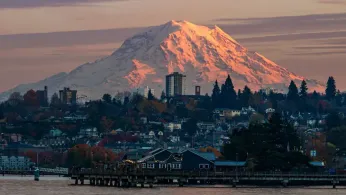
Tacoma has always had grit: industrial waterfronts, rail lines, and working-class neighborhoods in the shadow of Mount Rainier. But over the past few years, its reputation has shifted from “Seattle’s cheaper cousin” to a standalone arts city, thanks to a dense cluster of museums, galleries, and indie spaces downtown and along the Hilltop and 6th Avenue corridors.
The City of Tacoma has formally branded the area the Tacoma Art District anchored by the Museum of Glass, Tacoma Art Museum, and dozens of smaller venues, and emphasizes that the city’s creative community is “diverse, experimental, and community-driven. ” While not marketed as “the queer district, ” LGBTQ+ residents and travelers have flocked to this arts ecosystem, mirroring patterns seen in legacy gayborhoods like Asbury Park and Provincetown, where art and queer life grow up entwined.
According to Travel Tacoma – Mt. Rainier Tourism and Sports, independent venues and street festivals have helped the city shed its industrial-only identity and attract visitors seeking “authentic, creative urban neighborhoods” over polished, big-brand districts. For LGBTQ+ travelers burned out on corporate Pride floats, that authenticity is a big part of the draw.
The 755% spike in interest on misterb&b is not a cute rounding error. The company describes it as a “mind‑blowing” jump and calls Tacoma “an unapologetically queer community” with “thriving arts” and “affordable rents” that make it especially attractive to LGBTQ+ travelers and remote workers.
That affordability is real in relative terms: while Tacoma’s housing costs have risen, they remain lower than in nearby Seattle, leading a significant number of younger renters, including LGBTQ+ people, to decamp south along Puget Sound. This kind of “spillover migration” has been documented in queer travel writing as a driver of new gayborhoods, similar to how LGBTQ+ people have transformed smaller cities like Asbury Park and New Hope over the last decade.
misterb&b says its post-Pride 2025 data shows LGBTQ+ travelers are “slowly leaving legacy Pride capitals like San Francisco and Berlin in favor of off‑the‑radar gems” — naming Tacoma as the number one example of that trend. That context matters: Tacoma’s glow-up is not just local hype; it is part of a broader shift in how and where queer people vacation.
Unlike long-established gay destinations built around single, historic gayborhoods, Tacoma’s queer scene is decentralized and collaborative.
Several local organizations and venues have been quietly laying groundwork for years:
- Rainbow Center Tacoma has operated as an LGBTQ+ community hub since the 1990s, providing support services, advocacy, and education, and organizing events such as Tacoma Pride Festival in partnership with the city.
- The Tacoma Pride Festival, coordinated by Rainbow Center and the City of Tacoma, has grown into a major summer event, bringing performances, resource booths, and nightlife spillover to downtown streets each July.
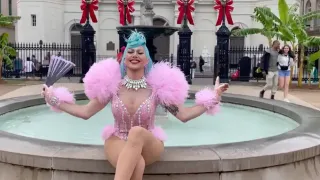
- Local nightlife and arts spaces in neighborhoods like Hilltop, 6th Avenue, and the stadium district host drag shows, queer dance nights, and open mics, contributing to what misterb&b calls Tacoma’s “unapologetically queer community energy. ”
This mix of formal nonprofits, community festivals, and scrappy nightlife feels familiar to anyone who has watched a gayborhood form in real time. As LGBTQ+ travel coverage has noted in other cities, new queer scenes often arise where community centers, advocacy groups, and small businesses intersect.
Part of Tacoma’s surprise factor comes from the wider political map. While Washington State is broadly supportive of LGBTQ+ rights — including marriage equality, anti‑discrimination protections, and transgender‑inclusive policies — it sits in a region where queer and transgender people still face intense political blowback across state lines.
The Human Rights Campaign State Equality Index consistently scores Washington among the strongest states for LGBTQ+ equality, citing comprehensive non‑discrimination laws and protections in housing, employment, and public accommodations. That legal framework gives Tacoma a firm baseline of safety that many smaller, up‑and‑coming queer destinations lack.
At the same time, Tacoma’s industrial roots and working‑class demographics set it apart from polished, high‑income gay capitals, echoing what LGBTQ+ travel guides describe in cities like Salt Lake City and Hamilton: places that “defy reputation” and offer a less curated, more local Pride feeling.
In explaining its 2025 rankings, misterb&b notes that many users are now seeking “off‑the‑radar gems” instead of the usual roster of San Francisco, New York, and Berlin. That observation tracks with broader travel reporting that highlights “surprising gayborhoods” and smaller cities as new frontiers for Pride month trips.
Those pieces, while often focused on U. S. and Canadian destinations, point to consistent trends:
- Queer travelers want affordability and are more willing to mix urban culture with nearby outdoor escapes.
- Many are bored with “copy‑paste” downtown blocks and are seeking art‑driven, grassroots scenes.
- Destinations with active community centers and advocacy groups feel safer and more meaningful than places offering only nightlife.
Tacoma checks all three boxes. It is relatively more affordable than its immediate big‑city neighbor, has a walkable museum core and emerging nightlife, and offers quick access to Mount Rainier National Park and the southern Puget Sound coastline. For queer hikers, climbers, and beach wanderers, it combines city comforts with easy day trips into forests and mountains — something misterb&b also flagged as a selling point in spotlighting destinations like Salt Lake City.
What makes Tacoma feel distinct from more famous gayborhoods is not just that it’s smaller; it’s that its queer culture is woven into a broader civic fabric, not confined to a few rainbow‑flagged blocks.
The City of Tacoma officially recognizes Pride month, collaborates on Tacoma Pride Festival, and features LGBTQ+ events in its public events calendars. Rainbow Center’s educational programs work directly with local businesses and institutions, encouraging inclusive practices and visible support for LGBTQ+ residents and visitors.
Meanwhile, regional and national LGBTQ+ travel guides have started to name‑check Tacoma in the same breath as longer‑standing queer centers in the Pacific Northwest. Articles listing “best gay cities” and “surprising gayborhoods” now commonly include nearby Seattle as a classic favorite but nod to Tacoma as a rising alternative where queer people can still afford to live, create, and open businesses.
The result is an atmosphere where LGBTQ+ visitors might not find the endless bar strip of a Wilton Manors or Castro, but will instead encounter queer art shows, drag performances in mixed crowds, affirming bookstores, and community events threaded through multiple neighborhoods. That sprawling, integrated vibe is very 2026: less ghettoized, more blended, and deeply rooted in local culture.
To understand why Tacoma feels so “wait, this town is queer now? !” it helps to remember what traditional LGBTQ+ destinations look like in 2026.
Travel features still celebrate San Francisco, Provincetown, Fort Lauderdale, Key West, and Palm Springs as global queer capitals, with dense gayborhoods, decades of history, and entire economies built around LGBTQ+ tourism. Lists of “gayest cities” also highlight smaller but long‑established hubs like Asbury Park, New Hope, and Wilton Manors — places where rainbow flags and queer nightlife are anything but new.
Tacoma is not trying to be the next Castro, and it is nowhere near that level of saturation. Its surprise factor lies in the fact that it is none of the above: not a coastal resort, not a decades‑old gay enclave, and not a giant city. It is a mid‑sized port town that has quietly become, according to real traveler behavior, one of the most in‑demand LGBTQ+ city breaks on a major global booking platform.
For queer travelers, that makes Tacoma something rare: a city where the Pride scene is emerging in real time, where you can still watch the glow-up instead of just reading about it after the fact.
If the trend lines hold, Tacoma’s queer profile will only rise. misterb&b’s 2025 data suggests that LGBTQ+ travelers are not dabbling; they are booking in significant numbers. Local organizations like Rainbow Center provide stability and safety nets that are crucial as more transgender people, queer couples, and chosen families consider the city as a potential home.
And Washington’s strong legal protections for LGBTQ+ residents mean that unlike some “cool but precarious” scenes popping up in hostile states, Tacoma’s sparkle rests on more solid ground.
For now, Tacoma remains perfectly balanced on that sweet spot between underground discovery and fully on the map. You can still show up and feel like you’ve found something your big‑city friends haven’t claimed yet: a queer‑affirming, arts‑driven port city where nobody expects you to have a perfect Pride outfit — but someone will absolutely compliment your thrift‑store jacket at a gallery opening.
And if your group chat responds, “Wait, Tacoma is queer now? !” you can just send them a photo of Mount Rainier glowing in the background of a street‑level drag show and say: it always was. The rest of us are just catching up.